Home Blog Page 2

Co-Owners ke Rights: Use, Rent, and Sale

0

Joint property me co-owners sab ke paas undivided share hota hai. Koi ek hissedaar normally pura plot bech nahi sakta, but wo apna share bech sakta hai. Use rights me sabka equal say hota hai jab tak contrary arrangement na ho.

Agar ek co-owner property rent pe deta hai, to principle ye hai ki rent technically sabka hai, chahe practical collection ek hi kare. Jo member complete exclusion face kar raha ho, wo mesne profits ya compensation claim kar sakta hai.

Sale ke time pe practical solution ya to partition, ya one co-owner buying out others, ya market sale aur proceeds division hota hai. Forced auction as last resort rehta hai.

Co-ownership me written understanding, expense-sharing record, aur communication kaafi fights avoid kar sakte hain. “Sab bhai-bhai hain, likhne ki kya zaroorat” wala mindset hi later suits ka reason banta hai.


Easement and Right of Way Disputes

0

Neighbour fights mostly two cheezon pe hote hain – boundary line aur raasta / easement. Easement ka matlab hai kisi aur ki land ka limited authorised use – jaise passage, drainage, light and air, pipelines.

Right of way tab develop hota hai jab decades se ek particular path se hi log aa-ja rahe hon, aur suddenly owner gate bandh kar de. Law is continuity, necessity, ya express grant dekhke decide karta hai.

Courts maps, old records, witness statements, ground reality sab consider karte hain. Har “mere dada yahi se jaate the” automatically legal right nahi banta, but long, open, uninterrupted usage strong evidence hota hai.

Neighbour disputes me early mediation, clear demarcation, aur written compromise zyada meaningful hai than ego-driven litigation. Land to wahi rahegi, par relations permanently kharab ho sakte hain.

Adverse Possession: Kab Kabza Ownership Ban Jata Hai?

0

Adverse possession ek controversial concept hai. Agar koi person open, continuous, hostile possession me bahut lambe samay tak rahe, aur real owner kuch nahi kare, to law ek stage ke baad kabza karne wale ko hi owner mana sakta hai.

Condition strict hoti hain:

  • Possession visible and notorious ho – chhupke nahi, sabke saamne,
  • Owner ke interest ke against ho – tenant ya licensee jaisa nahi,
  • Required limitation period tak uninterrupted ho.

Is idea ke peeche reasoning hai ki law unko reward karta hai jo land actually use karte hain, aur unko punish jo decades tak apna right enforce nahi karte. Lekin misuse bhi hota hai – encroachers, land mafia etc.

Recent debates is doctrine ko soften/abolish karne ke bare me bhi chalti rehti hain. Abhi ke liye simple lesson: owners ko apni property par nazar rakhni chahiye; “kabhi jaa ke dekh lenge” approach risky hai.

Arbitration Clauses in Online T&Cs

0

Har app, SaaS tool, marketplace ke Terms & Conditions me chhupa hota hai dispute clause – bohot baar likha hota hai “all disputes shall be resolved by arbitration in XYZ city”.

Question yeh hai: kya user ne realistically yeh terms padhe? Phir bhi courts generally मानते hain ki tick-box, “I agree” click, continued use – sab se contract form ho jata hai. Arbitration clause ka effect yeh hota hai ki aap normal civil court me jaane se pehle arbitrator ke paas jaane ko bound hote hain.

Issues:

  • Distant seat makes user practically helpless,
  • High arbitration cost,
  • Bargaining power unequal.

Regulators aur courts gradually unconscionable clauses pe closer nazar daal rahe hain, specially consumer contracts me. Fir bhi, users ko important services choose karte waqt at least major terms ek baar scan karna chahiye.

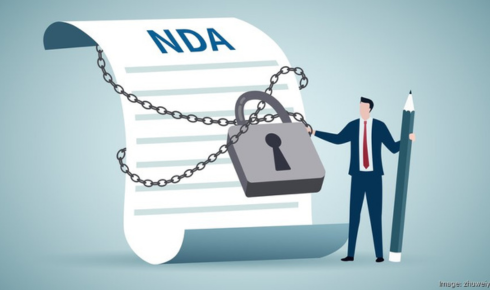
Non-Disclosure Agreements (NDAs): Secret Bachane Ka Basic Tool

0

Business me jab aap kisi ko idea, client list, pricing strategy, formula, ya code dikhate hain, to darr rehta hai ki saamne wala copy na kar le. Yahan NDA kaam aata hai – ek simple contract jo bolta hai “yeh info secret hai, isko iska misuse nahi karoge”.

Good NDA:

  • Clearly define karta hai “Confidential Information” kya hai,
  • Exceptions batata hai (public info, already known, third party se lawfully mila),
  • Duration of confidentiality,
  • Permitted use (sirf evaluation, not competition),
  • Remedies on breach – injunction, damages, etc.

Template NDAs often bohot one-sided hote hain. Parties negotiate kar sakti hain scope narrower/clearer karne ke liye.

NDAs foolproof nahi, but bina NDA ke secret share karna aur bhi risky hai. At least aapke paas legal lever hota hai agar koi brazen copying kare.

Settlement Agreements: Ladai Ka Likha Hua Full Stop

0

Court case ya arbitration ke beech me parties compromise karna chahe to settlement agreement likha jata hai. Yeh document future ke liye peace treaty hota hai – bhavishya me “tumne yeh bola tha” type disputes se bachata hai.

Important points:

  • Scope: kin kin disputes ko resolve kar raha hai,
  • Payment terms, timelines, mode, consequences of delay,
  • Mutual releases and withdrawals,
  • Confidentiality and non-disparagement clauses (jab relevant ho),
  • Dispute resolution if settlement khud violate ho jaye.

Agar settlement ongoing litigation me file ho jaye aur court decree pass kar de, to enforce karna aur strong ho jata hai. Sirf loose WhatsApp chats ya verbal “theek hai” pe rely karna risky hai.

Language clear, practical, aur legally vetted ho to settlement sach me closure laata hai, warna nayi ladai ka seed ban sakta hai.

Genetic Testing, Privacy and Discrimination

0

Genetic tests ab ancestry, disease risk, drug response sab reveal kar sakte hain. Exciting bhi, scary bhi. Legal concern yeh hai: yeh information misuse ho ke employment, insurance, ya marriage decisions me discrimination tool na ban jaye.

Privacy law ka expectation:

  • Clear consent before sample collection and testing,
  • Limited purpose use,
  • Secure storage,
  • Sharing only with explicit permission or narrow legal grounds.

Companies ko seductive lag sakta hai “risk profiling” karna, lekin agar log gene-based discrimination se darne lagen, to testing ka trust base hi toot jayega.

Individuals ko bhi casually raw reports public platforms pe upload karne se bachna chahiye. Genetic info sirf aapka nahi; indirectly family members ke health clues bhi reveal kar sakta hai.

Law gradually yahan evolve ho raha hai, but core idea simple hai: aapka DNA aapke against weapon nahi ban sakta.

Medical Negligence: Doctor Ki “Standard of Care”

0

Har bad outcome negligence nahi hota. Medical negligence tab kahi jaati hai jab doctor ya hospital woh basic standard follow nahi kare jo reasonable competent professional similar situation me follow karta.

Court dekhती hai:

  • Diagnosis, tests, treatment choice accepted medical practice se bahut door toh nahi,
  • Informed consent sahi se liya gaya,
  • Follow-up instructions clear the,
  • Emergency handling timely tha ya unacceptable delay hua.

Expert witness ka role strong hota hai – specialist doctors batate hain ki kya reasonable tha. Hospital equipment, staff training, record-keeping bhi examination me aate hain.

Patients ke liye important: records, prescriptions, bills, reports preserve karna. Emotional anger understandable hai, par legal case documents pe build hota hai.

Doctors ke liye: communication, note-taking, and realistic promise level hi best defence hai. “100% cure guarantee” ka zamana gaya; honest counselling and documented decision-making hi shield ban sakta hai.

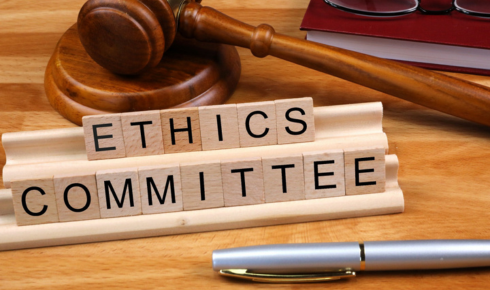
Clinical Trials: Consent aur Ethics Committees

0

New medicines aur treatments market me aane se pehle clinical trials me test hote hain. Yahan participant ki safety, informed consent, and ethics committee oversight core pillars hain.

Informed consent ka matlab:

  • Risk, benefit, procedures simple language me samjhana,
  • Alternative treatments bataana,
  • Withdrawal right explain karna,
  • Coercion ya undue influence bilkul nahi.

Ethics committees proposals ko review karte hain – protocol scientific hai ya nahi, vulnerable groups protect ho rahe hain ya nahi, compensation for injury properly defined hai ya nahi.

Sponsors, investigators, and hospitals sab accountable hote hain trial related harm ke liye. Hidden clauses, forced signing, ya false promises later heavy legal backlash la sakte hain.

Participants ko questions poochne, copy rakhne, aur irregularities note karne ka full right hai. Clinical research progress zaroori hai, lekin human beings experiment object nahi, partners hote hain.

Prenuptial Agreements: Shaadi Se Pehle Contract

0

Prenup ka idea simple hai: shaadi se pehle hi dono log decide kar lein ki agar kal ko relationship breakdown ho jaye, to property, maintenance, and other financial issues kaise handle honge. Abroad me common hai, yahan abhi bhi new aur thoda taboo sa.

Legal enforceability mixed picture hai. Courts ek taraf marriage ko sacred institution samajhte hain, dusri taraf adult autonomy ka respect bhi karte hain. Extreme unfair clauses (“kabhi maintenance nahi milegi chahe kuch bhi ho”) shayad tik na paayein, lekin reasonable, negotiated arrangements ko weight mil sakta hai.

Prenup ka biggest benefit clarity hai. Dono parties open discussion karte hain money, expectations, and responsibilities pe – jo waise bhi karna chahiye, chahe document ho ya na ho.

Agar banaya jaye, to:

  • Duress ke without,
  • Independent legal advice dono sides ko,
  • Full financial disclosure ke sath,

Sane, balanced terms ke sath.